
Why an Annual Physical Exam Once a Year May Not Be Enough


By Mohsen Halaby, MD
Board-Certified in Internal Medicine
Founder, Carebridge Medical
Serving Ohio, Michigan, and California
Many patients assume an annual physical exam is enough to stay healthy…
Most of us treat our yearly physical like a health insurance policy: show up, get the labs, hear “everything looks fine,” and walk away feeling covered for another 365 days.
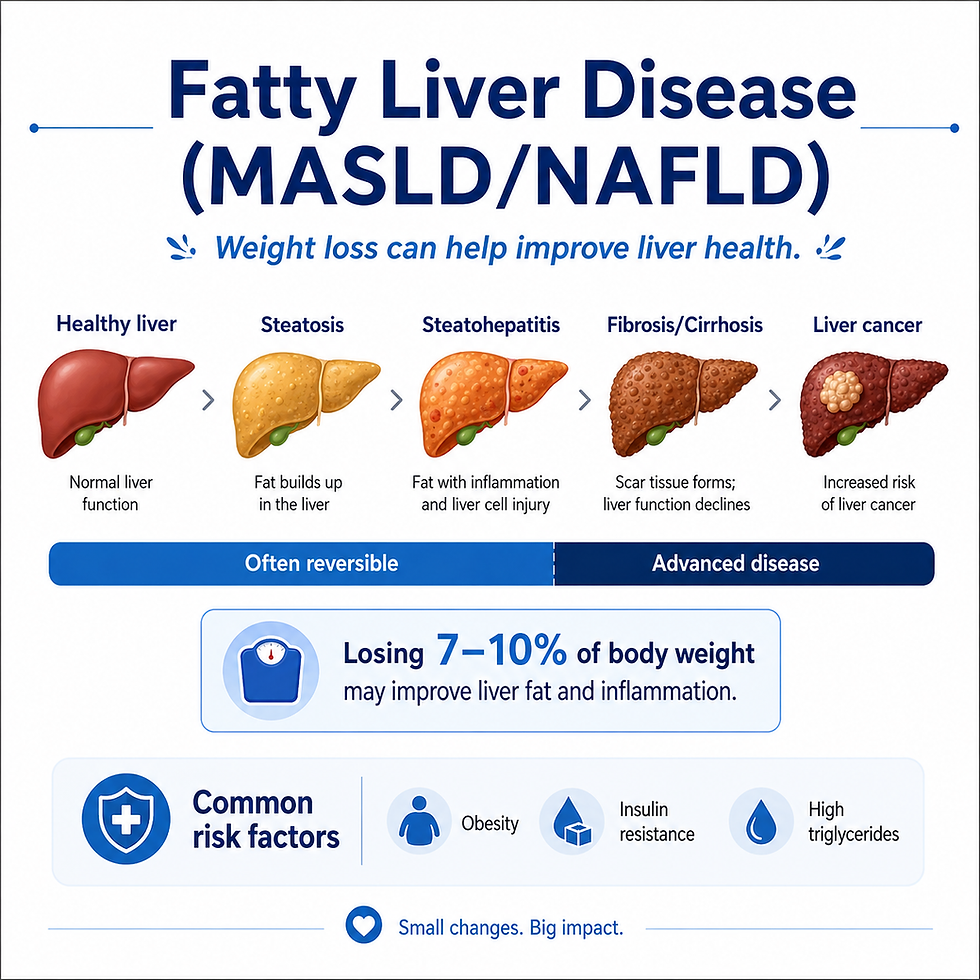
But here’s the uncomfortable truth: many of the diseases that shorten lives and diminish quality of life—high blood pressure, insulin resistance, fatty liver, metabolic dysfunction, poor sleep, and chronic stress—develop quietly over years, not overnight. A single rushed appointment, no matter how thorough, is rarely enough to catch them early or reverse their trajectory.
Modern medicine was designed for acute problems and late-stage disease. Prevention, however, lives in the other 364 days: what you eat, how you move, how well you sleep, how you manage stress, and whether you preserve muscle and metabolic health over time. An annual physical is important, but it should never be the entirety of your preventive strategy.
What an Annual Physical Exam Often Misses
1. Lifestyle Medicine as the Foundation, Not an Afterthought Doctors are trained to diagnose and prescribe, yet the strongest “medicine” for chronic disease is daily behavior. Nutrition, movement, sleep, strength training, and stress management drive the majority of outcomes. Unfortunately, these topics often receive just seconds of attention during a typical visit. We need systems that treat lifestyle factors with the same seriousness as blood pressure or cholesterol—tracking them, coaching on them, and adjusting them in real time.
2. Continuous Support Instead of Episodic Check-Ins Telling someone once a year to “eat better and exercise more” doesn’t build lasting habits. Real change requires accountability, follow-up, and adjustment when life inevitably gets in the way. The missing piece is ongoing relationships—whether through health coaches, group programs, digital tools, or multidisciplinary teams—that provide consistent guidance between annual visits.
3. Personalization and Early Actionable Insights Generic guidelines ignore individual differences in genetics, metabolism, circadian rhythms, and environment. Wearables, continuous glucose monitors, advanced biomarkers, and AI-driven risk modeling are improving, but they’re still rarely integrated into routine care. Prevention should move from “wait until the labs are abnormal” to proactively spotting and correcting negative trends years earlier.
4. Behavioral Science and Root-Cause Thinking Knowledge alone rarely changes behavior. Effective prevention needs practical tools: habit design, environmental tweaks, addressing motivation and barriers, and tackling the deeper “why” behind our choices. Too often, medicine defaults to medications for downstream symptoms rather than solving upstream lifestyle drivers.
5. Better Incentives and Broader Access Fee-for-service payment models reward volume and sick care more than keeping people healthy. Value-based care that rewards outcomes (lower disease incidence, better lifestyle metrics) shows promise but remains inconsistently implemented. Even “free” preventive services go underused due to access issues, awareness gaps, and time constraints.
The Path Forward: Toward Continuous, Participatory Prevention
The future of medicine should embrace P4 principles—predictive, preventive, personalized, and participatory. Imagine care that combines:
Longitudinal tracking with smart devices
AI that flags concerning patterns early
Scalable coaching through telehealth and apps
Stronger integration of nutritionists, trainers, and behavioral specialists into primary care
Annual physicals still have value as a ritual for baseline data, screening, and reassurance. But they must evolve from the main event into one part of a year-round commitment to health.
The Bottom Line
Health isn’t granted in a 20-minute appointment. It’s built daily through consistent choices in movement, nutrition, sleep, stress, and human connection. Patients carry the daily responsibility, but the healthcare system must do a better job equipping them with knowledge, tools, support, and accountability.
The best healthcare doesn’t just catch disease early—it helps prevent it from developing in the first place.
If you’re relying solely on your yearly physical for prevention, it’s time to raise the bar. Start treating your daily habits as your most powerful medicine. The results compound far more powerfully than any single lab panel ever could.
What’s one lifestyle change you’re committing to this year that goes beyond “wait and see” at your next physical? I’d love to hear in the comments.
Your health is shaped far more by what happens between doctor visits than during them. Let’s start acting like it.
Medical Disclaimer:
This content is for educational and informational purposes only and does not constitute medical advice, diagnosis, or treatment. Always consult your physician or qualified healthcare provider regarding any medical concerns. Individual results may vary.
Ready to Take the Next Step?
Carebridge Medical provides physician-led virtual care focused on metabolic health, medical weight loss, and personalized primary care.
✔ Board-Certified Internal Medicine Physician✔ Personalized, evidence-based care✔ Virtual visits from the comfort of home✔ Serving Ohio, Michigan, and California
Schedule your consultation today and take the next step toward better health.
👉 Visit: www.mycarebridgemed.com


Comments