
The Silent Killers: Health Conditions That Can Hide in Plain Sight


Mohsen Halaby, MD
Board-Certified in Internal Medicine
Founder, Carebridge Medical
Serving Sylvania, Toledo, and Northwest Ohio
Some of the most serious health conditions can develop quietly, without obvious symptoms. You may feel completely well while changes are happening inside your body.
That is why routine checkups and knowing your numbers matter.
High Blood Pressure
High blood pressure is often called a silent killer because many people have no symptoms. Over time, uncontrolled blood pressure can damage the heart, brain, kidneys, and blood vessels and increase the risk of heart attack and stroke.
A simple blood pressure check can identify a problem long before complications develop.
High Cholesterol
High cholesterol usually does not cause symptoms. Elevated LDL cholesterol can gradually contribute to plaque buildup inside the arteries, increasing the risk of heart attack, stroke, and peripheral artery disease.
A routine lipid panel can help identify your risk early.
Diabetes and Prediabetes
Blood sugar can rise gradually for years before noticeable symptoms appear. Prediabetes and type 2 diabetes can increase the risk of heart disease, kidney disease, nerve damage, and vision problems.
Tests such as fasting glucose and A1C can detect abnormal blood sugar early, when lifestyle changes and treatment may have the greatest impact.
Chronic Kidney Disease
Kidney disease can progress significantly before symptoms become noticeable. High blood pressure and diabetes are among the most common risk factors.
Blood and urine testing can help identify early kidney damage before kidney function declines further.
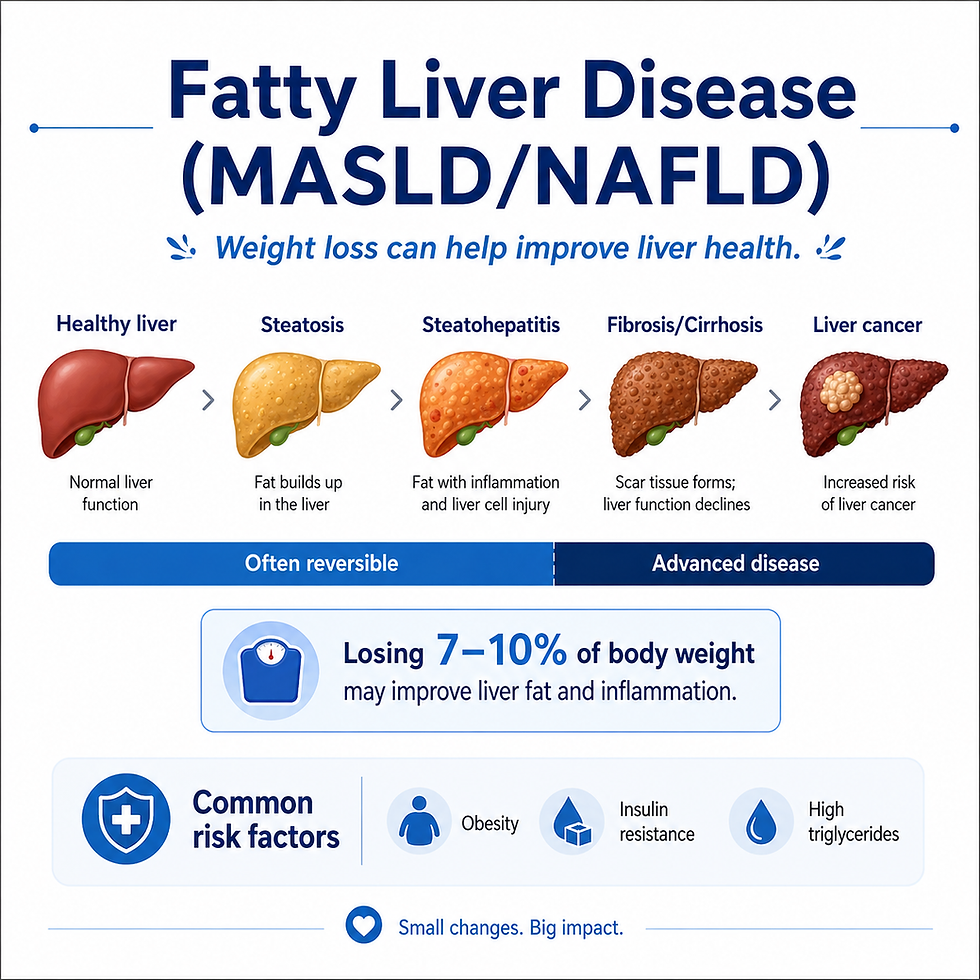
Fatty Liver Disease
Fat buildup in the liver can occur without pain or obvious symptoms. Over time, some people may develop inflammation, liver scarring, or more advanced liver disease.
Maintaining a healthy weight, controlling blood sugar and cholesterol, and discussing appropriate testing with your physician can help reduce risk.
Prevention Starts With Knowing Your Numbers
You do not need to wait until you feel sick to take care of your health.
Important numbers to know include:
Blood pressure
A1C and blood glucose
LDL and other cholesterol levels
Body mass index (BMI)
Waist circumference
Kidney function
Regular preventive visits allow you and your physician to identify risk factors early and create a plan before they become serious problems.
Feeling healthy is important—but knowing that you are healthy is even better.
At Carebridge Medical, we believe preventive care starts with understanding your individual risks, knowing your numbers, and taking action early.


Comments