
Colorectal Cancer Screening: Everything You Need to Know to Save Your Life

By Mohsen Halaby, MD
Board-Certified in Internal Medicine
Founder, Carebridge Medical
Serving Ohio, Michigan, and California
Colorectal Cancer Screening: Why It Saves Lives and What You Need to Know
Colon cancer is increasingly affecting younger adults — often with no symptoms until advanced stages. The encouraging news is that screening can not only detect cancer early, but often prevent it by removing precancerous polyps.
Why Screening Matters
Colorectal cancer often develops slowly from polyps in the colon or rectum. Many people have no symptoms in the early stages. Screening finds these polyps before they become cancerous or catches cancer at an early, more curable stage.
Increasing screening rates to 80% could reduce new cases by about 22% and deaths by 33% by 2030. Screening has contributed to declining death rates in older adults, though cases are rising in younger people, which is why guidelines now start earlier.
Who Should Get Screened?
Major guidelines from the U.S. Preventive Services Task Force (USPSTF), American Cancer Society (ACS), and others recommend:
Average-risk adults: Start screening at age 45 and continue through age 75.
Ages 76–85: Individualize based on health, life expectancy, and prior screening history.
Over 85: Generally stop screening.
Higher risk (family history of colorectal cancer, personal history of polyps or inflammatory bowel disease, or genetic syndromes like Lynch syndrome): Talk to your doctor about starting earlier and more frequent testing.
If you have symptoms like rectal bleeding, persistent changes in bowel habits, unexplained weight loss, or abdominal pain, see a doctor promptly for diagnostic evaluation (not just screening).
Screening Options
There are several effective tests. The best one is the one you’ll actually complete. All positive non-colonoscopy tests require a follow-up colonoscopy.
Stool-based tests (done at home, less invasive):
Fecal Immunochemical Test (FIT): Detects hidden blood. Annual. Simple, inexpensive, no dietary restrictions for most versions.
High-sensitivity guaiac-based FOBT (gFOBT): Similar to FIT but may require diet changes. Annual.
Stool DNA test (e.g., Cologuard): Detects blood and altered DNA. Every 3 years.
Visual/structural exams:
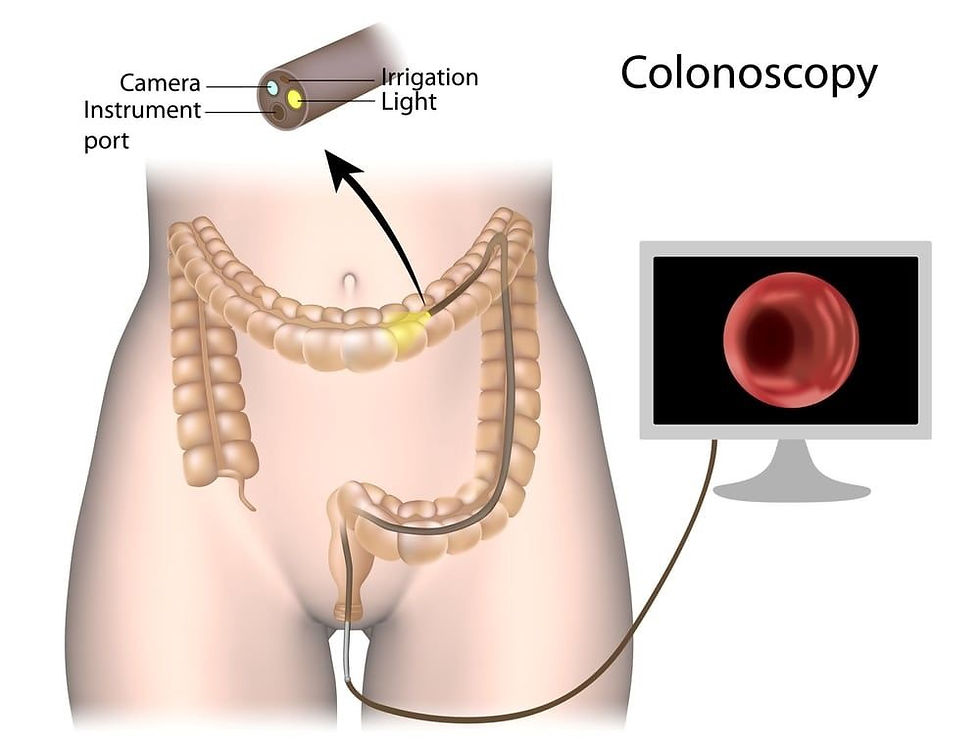
Colonoscopy: Examines the entire colon. Every 10 years if normal. Allows polyp removal during the procedure (prevention + detection). Requires bowel prep and sedation.
CT Colonography (virtual colonoscopy): X-ray imaging of the colon. Every 5 years. No sedation, but still needs prep; follow-up colonoscopy if abnormalities found.
Flexible Sigmoidoscopy: Views the lower colon. Every 5 years (or every 10 years with annual FIT).
Newer options like blood-based tests are emerging but may miss more polyps and still require colonoscopy if positive.
Colonoscopy is often considered the gold standard because it can prevent cancer, but stool tests are excellent for those who prefer convenience.
Benefits and Risks
Benefits:
Reduces colorectal cancer incidence and mortality.
Early detection leads to better outcomes (5-year survival is over 90% for localized cancer).
Polyp removal prevents future cancer.
Risks (generally low):
False positives/negatives.
Colonoscopy risks: Bleeding or perforation (rare, about 1 in 1,000–2,000).
Discomfort from prep or procedure.
The benefits far outweigh the risks for most people in the recommended age groups.
Tips to Get Started
Talk to your doctor about your risk factors and the best test for you.
Check insurance coverage—most plans cover screening with no out-of-pocket costs starting at age 45.
Prepare for colonoscopy: Follow prep instructions carefully for clear results.
If you choose a stool test, do it on schedule and follow up on abnormal results promptly.
Lifestyle matters too: Eat fiber-rich foods, stay active, maintain a healthy weight, limit alcohol, and avoid smoking to lower your risk.
The Bottom Line
Colorectal cancer screening is one of the most powerful tools in preventive medicine. Starting at age 45 can save your life or prevent cancer altogether. Don’t wait for symptoms—schedule your screening today. Share this with family and friends; early action makes all the difference.
This is general information. Always consult your healthcare provider for personalized advice.
Sources: USPSTF, American Cancer Society, CDC, and related medical literature (current as of 2026 guidelines).
Medical Disclaimer
This blog post is for general informational and educational purposes only. It is not intended to be a substitute for professional medical advice, diagnosis, or treatment. The information provided here is based on current guidelines from reputable organizations but may not apply to your individual health situation. Always consult your healthcare provider or a qualified medical professional before making any decisions regarding screening, testing, or treatment. Never disregard professional medical advice or delay seeking it because of something you have read on this blog. If you are experiencing symptoms or have specific health concerns, seek immediate medical attention.
Ready to Take the Next Step?
Carebridge Medical provides physician-led virtual care focused on metabolic health, medical weight loss, and personalized primary care.
✔ Board-Certified Internal Medicine Physician✔ Personalized, evidence-based care✔ Virtual visits from the comfort of home✔ Serving Ohio, Michigan, and California
Schedule your consultation today and take the next step toward better health.
👉 Visit: www.mycarebridgemed.com


Comments