
How Fiber and Gut Health Improve Blood Sugar Regulation

By Mohsen Halaby,MD Board-Certified in Internal Medicine
Founder, Carebridge Medical
serving Ohio and expanding into California

At Carebridge Medical, we approach metabolic health at the root.
Blood sugar regulation is not just about avoiding sugar. It is about how the body processes carbohydrates, responds to insulin, manages inflammation, and coordinates gut–hormone signaling.
One of the most overlooked drivers of metabolic health is the gut microbiome — and one of the most powerful tools to influence it is dietary fiber.
Why Blood Sugar Regulation Matters
Impaired glucose regulation is the foundation of:
Prediabetes
Type 2 diabetes
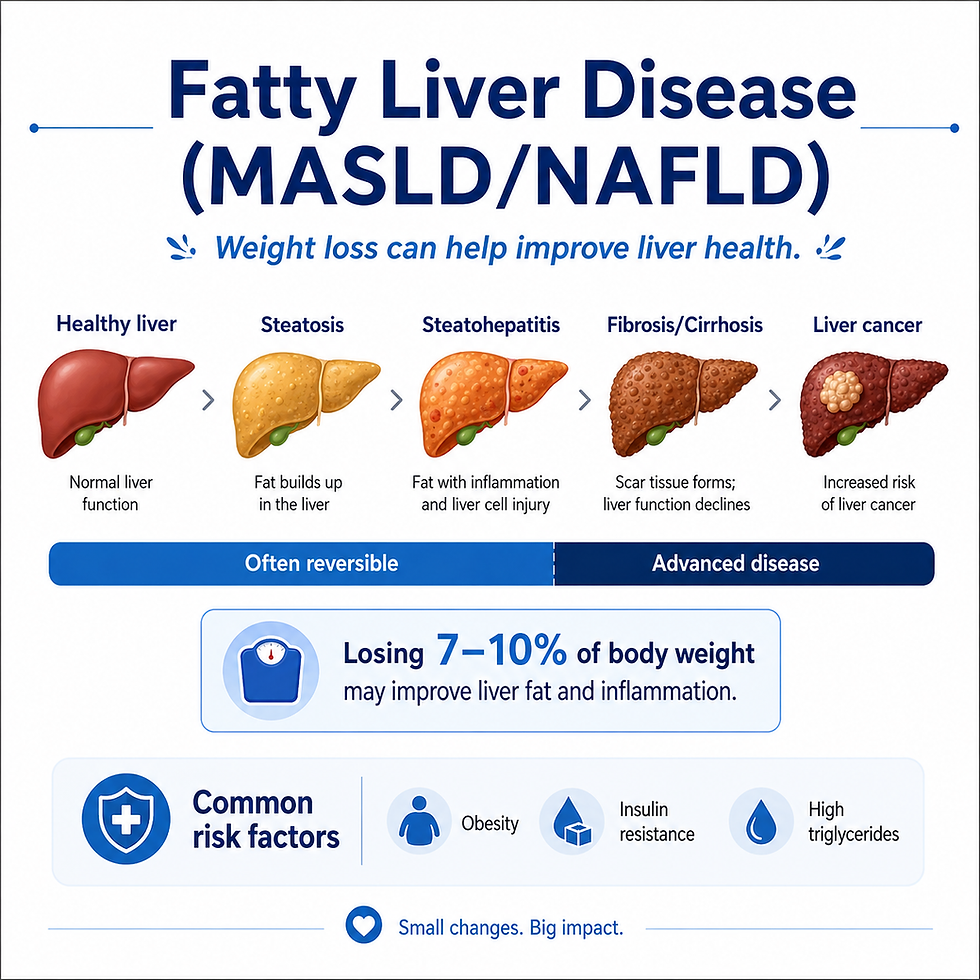
Fatty liver disease
Cardiovascular disease
Cognitive decline
Long before diabetes develops, subtle insulin resistance and post-meal glucose spikes begin stressing the system.
The goal is not simply lowering glucose numbers.The goal is improving metabolic resilience.
Fiber: A Foundational Metabolic Therapy
Most adults consume less than half of the recommended fiber intake.
Fiber plays several critical metabolic roles:
Slows gastric emptying
Blunts post-meal glucose spikes
Improves insulin sensitivity
Reduces LDL cholesterol
Feeds beneficial gut bacteria
Soluble Fiber and Glucose Stability
Soluble fiber forms a gel-like structure in the digestive tract, slowing carbohydrate absorption and reducing rapid blood sugar excursions.
High-impact sources include:
Lentils and beans
Oats
Chia seeds
Flaxseed
Psyllium
A practical target for metabolic health:25–35 grams daily, often closer to 30+ grams for patients with insulin resistance.
The Microbiome and Short-Chain Fatty Acids
When fiber reaches the colon, gut bacteria ferment it into short-chain fatty acids (SCFAs):
Butyrate
Propionate
Acetate
These compounds:
Improve insulin signaling
Reduce systemic inflammation
Strengthen the intestinal barrier
Influence GLP-1 secretion
Butyrate, in particular, has been strongly associated with improved metabolic function and reduced insulin resistance.
Fiber feeds bacteria.Bacteria produce metabolites.Metabolites influence metabolism.
Fermented Foods and Natural Probiotics
Fermented foods introduce beneficial bacteria that diversify and support gut health.
Examples:
Sauerkraut
Kimchi
Kefir
Unsweetened yogurt with live cultures
Fermented vegetables
Sauerkraut and DPP-4: Emerging Research
DPP-4 (dipeptidyl peptidase-4) is the enzyme that breaks down GLP-1 — a hormone that enhances insulin secretion and suppresses glucagon.
Prescription DPP-4 inhibitors are used in diabetes management.
Emerging research suggests certain probiotic strains may influence incretin signaling and potentially modulate DPP-4 activity in laboratory settings. While fermented foods are not medications, optimizing the microbiome may support glucose regulation pathways in complementary ways.
This does not replace medical therapy — but it highlights the power of nutrition in metabolic support.
Practical Implementation
For patients working to improve metabolic health:
Increase fiber gradually to 30+ grams daily
Add 1–2 tablespoons of fermented vegetables daily
Prioritize protein at each meal
Walk 10–15 minutes after meals
Optimize sleep and stress regulation
Consistency matters more than intensity.
When Lifestyle Support Is Not Enough
For some patients, lifestyle optimization is sufficient to reverse prediabetes.
For others, targeted medical therapy — including GLP-1–based treatments or other metabolic medications — may be appropriate.
The key is individualized care.
At Carebridge Medical, we combine lifestyle strategy with physician-guided metabolic treatment when needed.
Medical Disclaimer
Medical Disclaimer:This article is for educational purposes only and is not a substitute for individualized medical advice, diagnosis, or treatment. Dietary and lifestyle changes should be discussed with a qualified healthcare professional, particularly for individuals with diabetes, prediabetes, or those taking glucose-lowering medications.


Comments